
Key Takeaways:
- KMD Brands expects FY26 group sales of NZ$1.04 billion to NZ$1.044 billion (approximately US$606 million to US$609 million).
- Oboz returned to fourth quarter growth while Rip Curl direct to consumer sales declined 2.8%.
- The Group will sell its Southeast Asian manufacturing facility as its strategic review nears completion.
KMD Brands Limited issued a trading update this week on performance for the 2026 financial year, alongside a decision to sell its Southeast Asian manufacturing facility. The update caps a busy stretch of corporate activity for the Group heading into its new fiscal year, which begins August 1.
Rip Curl and Oboz Trading Performance
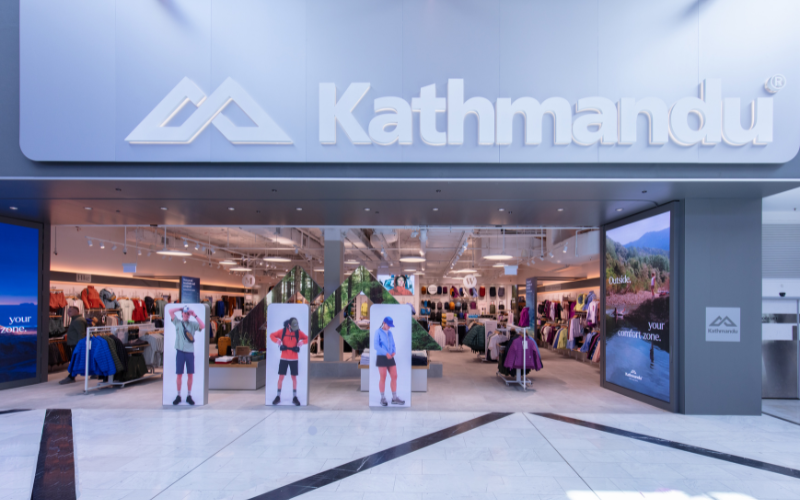
KMD tracks how its stores and websites are performing against last year, stripping out the effect of exchange rate swings so the comparison reflects actual sales, not currency movement. By that measure, for the 24 weeks from February 2 to July 19, Kathmandu sales rose 4.8% while Rip Curl sales fell 2.8%.
KMD said in a statement that Kathmandu kept building on momentum from earlier in the year, led by strong sales in rainwear, fleece and base layers, though its insulation category was hurt during winter sale season by unseasonably warm weather on Australia’s east coast. New Zealand continued to outperform Australia.

Rip Curl sales stayed under pressure from weak consumer confidence in Australia and heavy discounting by competitors, with a smaller currency benefit than usual further weighing on the fourth quarter, the company said in a statement.
Oboz sales returned to growth in the fourth quarter, which the company attributed to continued strong online performance and the flow of new product launches. That reversed a third quarter decline of 8.9% that KMD had attributed to wholesale shipment timing rather than underlying demand. Oboz had also reported a leadership rebuild in June, including four senior hires within a year, and its return to trail running for SS27 with the Anabatic collection.
FY26 Sales and Earnings Guidance
The Group expects FY26 sales of NZ$1.04 billion to NZ$1.044 billion (approximately US$606 million to US$609 million), about 5% higher than last year at the midpoint of that range. Underlying profit, a core measure of earnings that strips out lease accounting, software costs, restructuring charges and other one time items, is expected to come in between NZ$38 million and NZ$41 million (approximately US$22.2 million to US$23.9 million), more than double last year’s figure at the midpoint.
Net Debt Rises on Working Capital and Currency
KMD expects its net debt to be between NZ$63 million and NZ$66 million (approximately US$36.7 million to US$38.5 million) by the end of July, up from NZ$52.8 million (approximately US$30.8 million) a year earlier. The company said three things pushed debt higher: it changed the timing of when it pays some suppliers, it spent more on inventory to guard against possible supply chain disruptions tied to global conflicts, and a weaker New Zealand dollar added about NZ$8 million (approximately US$4.7 million) to the total. KMD said it will be meeting all the requirements attached to its bank loans as of July 31.
Manufacturing Facility Sale Announced
KMD Brands also announced Wednesday it will sell its Southeast Asian manufacturing facility, with production winding down in phases over the next 12 months. The company expects to net NZ$5 million to NZ$7 million (approximately US$2.9 million to US$4.1 million) from the property sale, plus free up about NZ$6 million (approximately US$3.5 million) in cash that had been tied up in the facility’s operations, which it said will further strengthen its finances.
A String of Corporate Moves Since May
Wednesday’s update follows a series of financial and leadership moves the Group has made since launching its strategic review in late May.
KMD also refinanced its debt on June 26, lining up NZ$208.1 million (approximately US$121.3 million) in new bank credit lines from a group of lenders. The new deal runs up to two and a half years, giving KMD access to funding through October 2028. Combined with money raised from April’s stock sale, the company said this gives it enough cash on hand to cover day to day operating costs while it works to bring its debt load down relative to earnings.
The Group also carried out a 25 to 1 reverse stock split on July 1, meaning every 25 old shares became 1 new share. That left KMD with about 72 million shares outstanding. The new shares started trading normally in New Zealand on July 2, with Australian trading catching up a day later on July 3. KMD said a mismatch in the stock’s tracking codes on the two exchanges, in place since June 30, was expected to be resolved by mid July.
On July 7, KMD announced the appointment of Ian Morrice as an independent non-executive director, effective August 20. Morrice previously served as Group Chief Executive Officer of Metcash Limited and Chief Executive Officer of The Warehouse Group, and the company said in a statement that his retail, transformation and capital allocation experience would support execution of the Next Level strategy. Chair Philip Bowman said in a statement that the appointment, following a board refresh earlier this year that saw the departure of longtime chair David Kirk and board member Zion Armstrong, would “further strengthen the Board as we continue to execute our Next Level strategy and evaluate other opportunities to accelerate value generation for shareholders.”
Strategic Review Nears Completion
The moves come as KMD’s broader strategic review, launched May 27, continues. The review followed the board’s rejection of an unsolicited demerger proposal from Paul Naude’s Stokehouse Unlimited to combine Rip Curl with Stokehouse. Outside Consulting founder Eoin Comerford told SESO at the time that largest shareholder Allan Gray Australia, which holds an 18% stake, was reportedly pushing for structural portfolio action, with a sale of some assets seen as a likely outcome.
KMD said the ongoing business review is progressing well and is expected to be complete by the announcement of FY26 annual results on September 23.
Related Story: SESO Interview with New Rip Curl CEO Ashely Reade.


