
If there’s one word we heard that sums up what outdoor and consumers were demanding in 2025, it’s “flexibility.”
Last year, consumers called for versatility in their gear, comfort in recovery, and thoughtful technology that made exploring the outdoors easier, not more complicated.
Hybrid lifestyles captured center stage. Instead of settling for activewear that worked for just one occasion, people gravitated toward “multipurpose silhouettes and elevated combinations that seamlessly merge work, movement, and leisure,” said Rachael Gentner, director of active and outdoor and Tamara Esquiliche, senior strategist of active, at New York trend forecasting company Future Snoops.
Recovery also became a priority, they said, as “wellness-driven pieces transform pre- and post-activity rituals into meaningful moments of connection and restoration, emphasizing a 360-degree approach to health.”

On the tech front, integration took a leap forward, moving beyond gadgets for gadgets’ sake, to “AI-powered accessories … with health-tracking rings and smart glasses highlighting the growing intersection of sport and technology,” as WGSN’s Director of Sports and Outdoor Jon Takao noted. Wearables had more subtle and supportive designs, built to help consumers live more intentionally rather than simply adding data to their day.
With these new expectations setting the pace, what’s next? 2026 is shaping up to deepen these priorities and introduce exciting directions in comfort, climate adaptation, sustainability, and community. Here’s a breakdown of what to expect.
Rugged Luxury: Comfort Shouldn’t End at the Trailhead
If you love the idea of being outdoors but still want to bring a slice of home comfort with you, 2026 is your year. WGSN calls this “Rugged Luxury,” and it’s not about pricey exclusivity. Instead, it’s about making comfort, good design and durability available to everyone.
“The Rugged Luxury trend is a response to consumer fatigue, aligning with our ‘World Building’ driver by demanding multi-sensorial products that promote rest and joy,” Takao said. “This trend infuses outdoor gear with high-performance durability and elevated design, enabling people to enjoy nature without sacrificing home comforts — perfect for the rise of glamping and sophisticated escapism.”
Brands are getting creative with touchable, joyful materials and sustainable sourcing. Think glamping vibes, even when you’re roughing it.
Heat Hacking: Staying Cool as the Climate Heats Up
Nobody can deny that extreme heat has become a serious factor for outdoor adventures. 2026 is all about “Heat Hacking” — creating gear that helps you stay safe, cool, and comfortable, no matter how high the mercury rises.
“Rising temperatures are reshaping performance and lifestyle needs, making heat adaptation a core innovation,” Takao said. “Prioritize climate-responsive products that protect, cool and support athletes and outdoor enthusiasts across prolonged sun exposure and acute heat. Focus on UV-resistant fabrics, temperature-regulating fibers, cooling technologies and modular systems that allow users to manage their personal microclimate.”
Expect to see more innovative UV-protective fabrics, clever cooling features, and apparel that helps manage your personal climate, especially for people who love endurance sports and lively city adventures, he said.
Mindful Living and Soft Adventure
Not everyone’s looking to summit Everest, and that’s okay. A lot more people are turning to easy-going outdoor fun like hiking, birdwatching, and snowshoeing. The focus is on feeling good, clearing your mind, and enjoying time outside at your own pace.
“Mindful living further shapes this direction, encouraging outdoor experiences rooted in intention and sensory awareness,” said Gentner and Esquiliche. “Sculpted loungewear, organic materials, and thoughtful graphics support recovery and quiet movement, fostering presence while grounding wearers in their surroundings. Mystical influences continue to capture the attention of outdoor consumers, with futuristic inspiration becoming more grounded — looking to minerals and stones for forward-looking expressions anchored in the earth’s raw energy.”
Sustainability, Circular Design and the Human Touch
“Eco-friendly” is evolving into systems that support durability, repair, and less waste. Enter the “Return to Craft” — goods that show off visible workmanship, hand-crafted details, and authentic materials.
“As AI accelerates visual and product sameness, consumers are seeking items with a distinctly human touch,” Takao said. “In sports and outdoor, this fuels demand for craft-led products that showcase hand-rendered detail, artisanal techniques and natural, sustainable materials. Focus on visible workmanship and modern takes on heritage methods to deliver authenticity and differentiation. Position craft-driven designs as long-lasting, meaningful alternatives to mass production, using storytelling, material traceability and personalization to reinforce emotional connection.”
Meanwhile, Rachael Gentner and Tamara Esquiliche highlight a fundamental shift toward quality over quantity.
“Outdoor consumers are seeking fewer but better products, valuing investment-worthy pieces that are long-lasting, repairable, and designed to endure beyond a single season or reason,” they said. “Thoughtfully crafted designs that prioritize responsible production and extended lifecycles — such as made-for-disassembly construction or integrated repair services — create added value while setting a new standard for sustainable product design.”
Niche Markets and Everyday Joy
Recreation is increasingly niche, with people exploring everything from tennis and golf to birdwatching and tidepooling. These activities are social, inclusive, and all about fun.
“The focus is shifting toward sports that celebrate play, ease, and the joy of simple moments — whether it’s a relaxed match of tennis or golf, a round of pétanque, or a casual game of cricket,” Gentner and Esquiliche said. “In the outdoor space, people are gathering both in cities and in nature for activities such as birdwatching and tidepooling, embracing these mindful pursuits as a way to connect with one another and appreciate the beauty of the natural world around them.”
Soccer fans, keep an eye on the U.S. The build-up to FIFA 2026 could be huge, and the two are seeing a surge in fresh fitness trends like Hyrox and calisthenics, too.
For Retailers: Build a “Fourth Space”
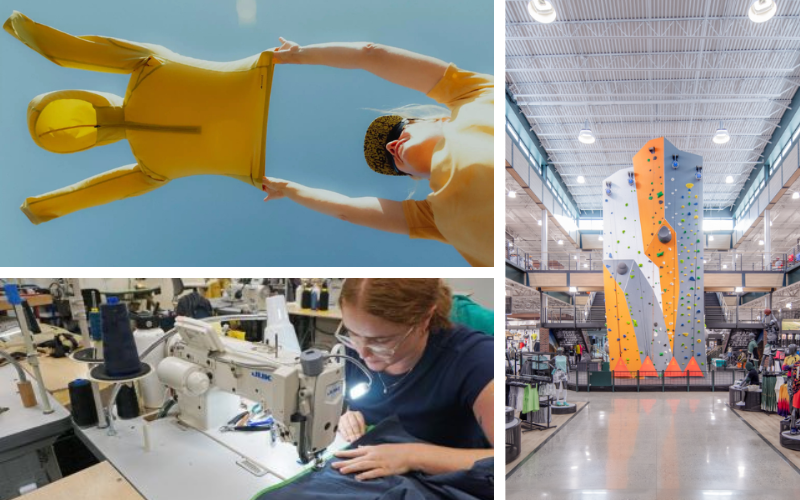
If you manage a brand or store, the challenge is to create a physical space that’s more than a place to buy stuff. Retail is increasingly experiential. These are spots where people can hang out, connect, and feel at home.
“Retail spaces are evolving into storytelling platforms,” Gentner and Esquiliche said. “In response to digital exhaustion, stores are becoming ‘Fourth Spaces’ that invite lingering and belonging — standing in sharp contrast to the transactional nature of online experiences. In a landscape of overwhelming choice, consumers are increasingly drawn to brands that express a clear, genuine perspective by remaining true to themselves.”
Running clubs, community events, tasting nights — anything that turns a store into a hub, not just a checkout line, is on trend for 2026.
Kate Robertson can be reached at kate@shop-eat-surf-outdoor.com.


