
Globe International Limited, the Australian-founded boardsports, street fashion, outdoor, and workwear company, reported a return to revenue growth for the six months ended December 31, 2025, with surf and outdoor apparel brand Salty Crew among the key contributors to the result.
The Melbourne-based company posted net sales of A$98.2 million ($61.9 million) for the half year, up from A$95.3 million ($60 million) in the prior corresponding period, a gain of approximately 3%. Net profit after tax came in at A$3.4 million ($2.1 million), down from A$4.8 million ($3 million) a year earlier, with the decline attributed primarily to the impact of U.S. tariffs introduced during the period.
Salty Crew Expands in Traditional and New Channels
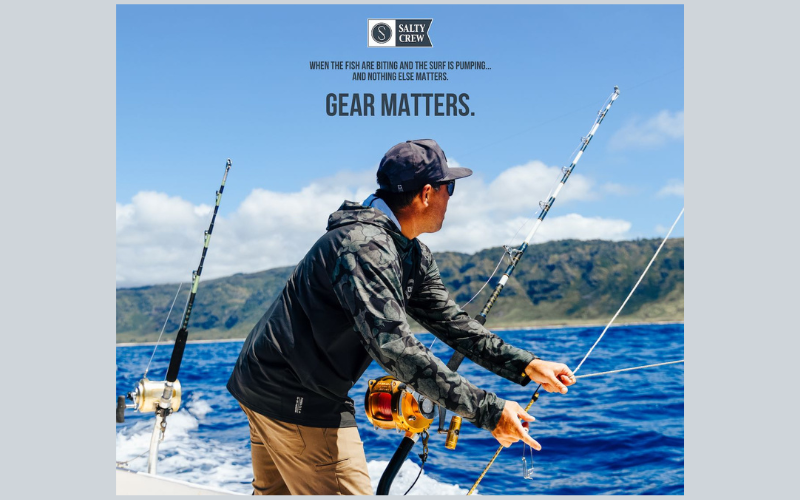
Salty Crew, the surf, fish, and dive apparel brand Globe acquired that has developed into one of its key global growth vehicles, posted gains during the half. According to Globe International CEO Matt Hill, the brand grew across multiple fronts during the July–December 2025 period.
“Salty Crew grew in the half, with the brand growing well in traditional doors, new product categories and the broader outdoor market,” Hill said in the company’s Australian stock exchange announcement.

The brand is one of three that Globe has identified as having long-term scale and growth potential, alongside workwear label FXD and its namesake, skateboard-focused Globe brand. The company’s investor presentation noted that the lion’s share of brand contribution came from these three strategic global brands.
FXD and Globe Brand Also Report Solid Results
FXD, Globe’s workwear label founded in 2012, continued to perform as a significant revenue and profit contributor. Hill described FXD as “a powerhouse in its workwear market and a large contributor to company revenue and profit.”
The Globe brand, which spans footwear, skateboards, and apparel, grew in all regions during the half.
Europe Leads Regional Growth; North America Navigates Tariff Headwinds
Across Globe’s three operating divisions, Europe posted the most significant improvement, with sales rising 21% over the prior corresponding period following what the company described as an “operational reset.” European segment revenue reached A$14 million ($8.8 million), up from A$10.7 million ($6.7 million) a year earlier, though segment EBIT narrowed to A$206,000 ($130,000) from A$473,000 ($298,000).
North America recorded revenue growth of 3% on a like-for-like brand basis, with segment revenue reaching A$35.6 million ($22.4 million). However, the division’s profitability was hit by the short-notice introduction of higher U.S. tariffs during the period. North American segment EBIT fell to A$2.6 million ($1.6 million) from A$4.1 million ($2.6 million) in the prior period.
Hill said in a statement that the company moved quickly to adapt. “Swift action was taken to absorb this new operating environment into the financial planning of the business in the USA and as such, at the current levels, tariffs are not expected to impact performance in the same way going forward,” he said.
The Australasia division remained a steady contributor, generating segment revenue of A$48.6 million ($30.6 million) and segment EBIT of A$6.6 million ($4.2 million), up from A$6.2 million ($3.9 million) in the prior period, reflecting improved business mix and higher margins.
Globe International Balance Sheet
Globe ended the half with a net cash position of A$19.3 million ($12.2 million), consistent with the end of the 2025 financial year. Cash generated from operations was A$7.4 million ($4.7 million).
Globe International Outlook
Hill expressed confidence in the second half of fiscal 2026, pointing to improved margins across core brands and a stronger platform following the tariff disruption in the first half.
“Globe emerges with a strong balance sheet, performing brands and improved margins, which is anticipated to drive revenue and profit growth in 2026,” he said.
The company said it expects full-year results to be ahead of fiscal 2025.


