
Nike is navigating a challenging corporate comeback, reporting flat third-quarter revenue of $11.3 billion as the company rebalances its marketplace strategy. While wholesale revenue grew 5%, the brand continues to face headwinds from inventory cleanup and softness in sportswear.
Amid these challenges, Nike is reinforcing its commitment to its broader brand portfolio, specifically addressing the future of Converse to quiet recent industry rumors.
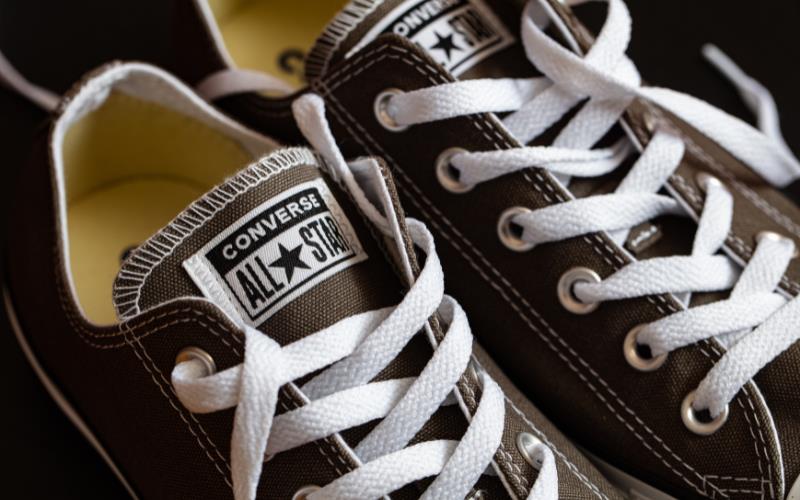
“Converse is a beloved brand that serves a distinct consumer through their connection to creative culture, music and youth,” President and CEO Elliott Hill said Tuesday afternoon on the company’s third-quarter earnings call for fiscal 2026. “Converse will remain an important part of the Nike, Inc. family, and we are excited about its long-term prospects.”
Hill noted that Nike is currently in the “middle innings” of its transformation. While some areas are showing green shoots, he cautioned that the overall process requires patience.

“While we are not satisfied, I am confident that our progress in the areas we prioritize first through our ‘Win Now’ actions point to where we are ultimately heading across our portfolio,” Hill said. “Because of the scale and breadth of the Nike portfolio, that progress will not happen all at once.”
Nike has prioritized the areas with the greatest impact first, such as the performance running segment, global football and key North American wholesale accounts.
Other parts of the portfolio, including Greater China and sportswear, remain earlier in their recovery journey. Nike has installed new leadership and structural changes designed to strengthen these areas over the long term.
“These actions will continue to create near-term pressure, but we believe they are the right actions to strengthen Nike for the long term and create more durable value for shareholders,” Hill said. “This is complex work, and parts of it are taking longer than I’d like. The direction is clear, the urgency is real, and the foundation is getting stronger.”
Rebalancing Wholesale and Direct Channels
Nike’s wholesale revenue reached $6.5 billion in the third quarter, increasing 5% on a reported basis, and Nike Direct revenue declined 4% to $4.5 billion.
In North America, the company is building long-term plans with JD Sports and Foot Locker. Sporting goods retailers like Dick’s and Academy are also leaning in to tell more sport performance stories, Hill said.
According to Executive Vice President and Chief Financial Officer Matt Friend, relationships with wholesale partners look very different than they did a year ago.
“Order books are growing and we are taking back shelf space,” Friend said, even as sell-through trends continue to recover.
Inventory Cleanup Weighs on Results
A major factor impacting the third quarter was the intentional removal of unhealthy inventory. Nike focused heavily on clearing out excess stock of its classic footwear franchises to improve the overall health of the marketplace.
This inventory reset created roughly a five-point headwind to the reported results. By the end of the calendar year, Nike expects aged inventory across the marketplace to be healthy, making room for new styles and sports performance gear.
Keeping Converse in the Family Despite Declines
Revenue for Converse fell 35% on a reported basis during the third quarter, driven by declines across all territories. The brand’s struggles have sparked industry rumors about a potential sale.
Hill addressed the brand’s position directly, noting that leadership took decisive steps this quarter to bring Converse back to a healthy state. The team right-sized operating costs as part of a broader corporate severance charge.
Top Performing Nike Products
Performance products provided the brightest spots in the quarter:
- Nike Running increased more than 20% in North America.
- The NBA All-Star Weekend drove full-price sell-throughs and deepened wholesale partnerships in Los Angeles with Shoe Palace, Foot Locker and Dick’s.
- Nike’s ACG outdoor brand also gained traction and tapped the Winter Olympics in Milan and Cortina and elevated presentations in more than 600 retail doors, including a standalone ACG location in Beijing.
Sportswear remains a hurdle, declining low double digits in the quarter. Hill said that the Air Force 1 and AJ1 franchises stabilized, showing month-to-month improvement in full-price realization. However, the Dunk franchise still requires work to balance supply and demand.
Positive signs emerged from recent launches, with the Air Max 95 and AJ11 Gamma driving strong sell-through.
Regional Realities and Challenges
North America is currently leading the company’s turnaround. Third-quarter revenue in the region grew 3%, fueled by an 11% increase in wholesale. Running and global football posted double-digit growth, while basketball increased high single digits.
The picture looks different internationally. EMEA revenue declined 7% amid a highly promotional marketplace. While running grew double digits in the region, sportswear declined and traffic suffered from disruptions in the Middle East.
Greater China revenue decreased 10%. Nike actively managed wholesale sell-in down to align with full-price demand. The brand expanded its Nike store pilot to 100 doors in the region, which helped improve traffic and comparable sales versus the prior year. APLA revenue declined 2%, with closeout mixes remaining elevated in certain countries.
Looking Ahead
Nike expects revenue to be down low single digits versus the prior year through the balance of the calendar year. Modest gains in North America will likely be offset by intentional marketplace management and reduced sell-in across Greater China.
The company expects the first quarter of fiscal 2027 to be the final quarter where higher tariffs act as a material headwind. Gross margin expansion is expected to begin in the second quarter as inventory actions and cost resets take hold.


