The Problem
Your DTC strategy is damaging your long-term wholesale order book
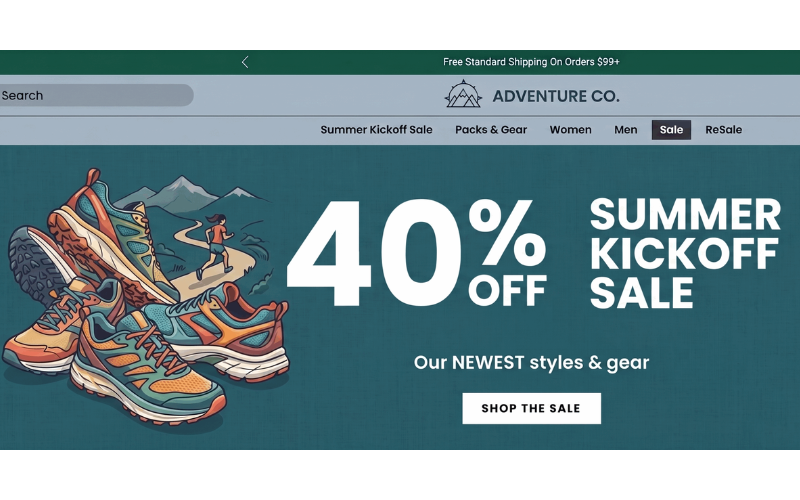
Every brand sales rep in outdoor and action sports has watched a version of the same scene. The customer is in the store. The staff has fit the product, answered the questions, made the recommendation. Then the customer pulls out their phone, opens the brand’s DTC site, finds the same product 15 percent off, and walks out. Sometimes they ask the retailer to match. Sometimes they don’t even ask. They just leave and buy online.
That’s the moment the retailer wants to talk about on the next call with the brand. The conversation often starts as a polite ask about the pricing. It can escalate to an email looking for a rebate to make up the difference on the next purchase order. By next season’s pre-book, the buyer might be cutting 20 percent. Eventually, the brand is replaced by a closer-aligned competitor that fills the spot on the floor.
From a retailer’s inbox
“Customer just showed me your technical jacket at $210 on the DTC site. We have it on the floor at $350. This is the 4th time this has happened. Can we get a rebate on the next order to cover the difference?”

|
How we got here DTC had a tool wholesale didn’t: Attribution. |
As ecommerce rose, the DTC channel had a tool wholesale didn’t: Attribution. Every dollar of digital marketing through the DTC site had a verified buyer at the end of it, and the brand could see exactly which dollars produced which sales. Wholesale, the channel that produces 60 to 80 percent of revenue for most outdoor brands, has never had the same measurement available.
The cost has been paid by the wholesale channel. The outlet tab, the sales tab, the new-customer email signup discount, the cart abandonment offer, the weekend flash sale — each one giving the customer in the store a reason to leave. The customer doesn’t always say anything. They just open their phone and buy online.
Brand-Side Moves
Four things a brand can do this season
Most of this is fixable inside the brand’s own operations, without signing a new vendor or buying a new tool.
1. Hold the line on MAP
The price the brand sold to the retailer is the price it defends on its own checkout. Remove always-on sale tabs and markdowns that sit below MAP.
2. Treat promotions as a partnership
Share the calendar with retailers in advance and rebate them so they can match without eating the cost.
3. Cap and enforce pro deals
Without enforcement, pro deals function as an unpoliced consumer sales channel. The retailer absorbs the fitting and expertise without ringing the sale.
4. Tie co-op to verified sell-through
When co-op is tied to verified sell-through, the retailer’s results become visible and more co-op investment flows to the stores that are actually moving product. Both sides get a measurable line.
These moves rebuild trust with the retailers carrying the brand. None of them put consumer demand on the wholesale side of the ledger with the same attribution the brand has on its own checkout. That piece is the structural fix, and it’s finally available.
The Structural Fix
 ENDVR Consumer Cashback
DTC stops being the hardest conversation in the wholesale relationship
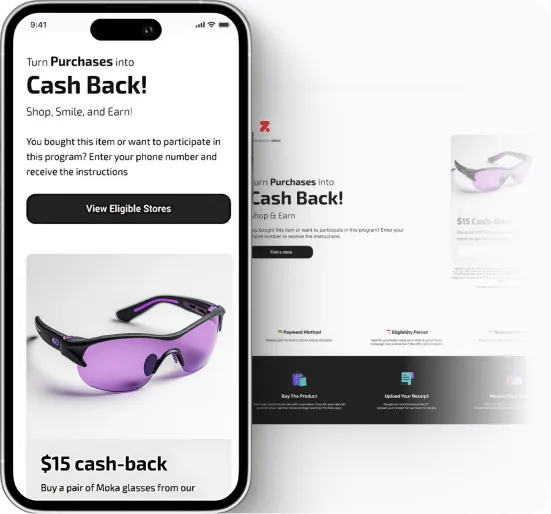
Consumer Cash Back lets a brand match the same discount in the wholesale channel that they already run on the DTC site. The brand funds both sides. The retailer rings the full-price sale. A 15-percent-off email becomes 15 percent cash-back on a verified receipt from a participating dealer. The customer ends up at the same price either way, and the retailer is no longer at a price disadvantage to the brand’s own checkout.
|
Finally a response to “I can get this 15% cheaper online.” The customer gets the product in their hand right away and pays the same price as they would online. The retailer gets a full-price sale. The brand gets sell-through at the shelf. |
How it works:
- Brand funds offer: 15% back at any dealer.
- Customer claims: Drops phone number.
- Buys in-store: Snaps the receipt.
- Verified & paid: Data back to brand.
The brand funds both sides. The retailer holds the margin. The brand gets sell-through at the shelf and verified shopper data on the back end.
|
Next season’s pre-book meeting “This campaign drove $52,000 in full-price sell-through into your store this season, on a $5,000 cashback investment to your customers.” The reorder conversation has receipts. |
The Other Side of the Counter
 ENDVR Sales Incentives
Sales Incentives activate the floor
Consumer Cash Back gets the consumer in the door. Sales Incentives reward the frontline associates who recommend the brand and ring the full-price sale. Receipt uploaded, sale verified, reward paid. The brand sees sell-through tied to a specific door and a specific person on the floor.
Together, the two products give the brand the same attribution on the wholesale channel that the DTC channel has had for years. Verified consumers on one side, verified sales on the other, both reportable at the same cadence the digital team already reports.
|
Every dollar into the wholesale channel is now as measurable as every dollar into the DTC site. The brands that move first will be the ones whose retailers stop quietly cutting, whose buying meetings no longer start with a complaint, and whose order books start growing again. |
Wholesale powers most of your brand’s revenue.
The competition between the two channels was structural.
So is the fix.
|
160+ Brands |
140K+ Associates |
$26:1 Sell-Through ROI |
See how Consumer Cash Back works →
Live in minutes. No retailer setup required.