

2025 has been nothing short of transformative for most of the businesses SESO covers in the surf and outdoor industries, marked by massive restructures, strategic pivots and bold leadership decisions.
From the bankruptcy of Liberated Brands at the outset of the year to ongoing turnarounds at VF Corp. and Nike to the tariff roller coaster, both surf and outdoor have experienced sweeping changes that are reshaping the landscape. Retailers like REI and Christy Sports are doubling down on their core strengths, while brands like Rip Curl have brought in new leadership to adapt to evolving market dynamics.
Amidst these shifts, community and collaboration have remained central themes. Industry events like Surf Expo and Outdoor Retailer provided platforms for connection and innovation, while initiatives like SESO’s “Young Leaders to Watch” celebrated emerging talent and fostered a sense of unity online.
As we look back on a year of challenges and opportunities, one thing is clear: the surf and outdoor industries are resilient, adaptive and poised for another never-boring year.

Liberated Brands Bankruptcy
The bankruptcy of Liberated Brands made a major impact in the surf and skate industry this year. Once a major licensee for iconic brands like Billabong, Volcom, and RVCA, Liberated struggled under the weight of ambitious growth plans and operational challenges. The company filed for Chapter 11 bankruptcy in February, citing a volatile global economy and inflationary pressures as key factors. This led to the closure of over 100 U.S. retail locations and a media storm that created confusion among consumers and frustration among retailers.

File image courtesy of Liberated Brands.
Authentic Brands Group, the owner of these legacy brands, swiftly transitioned licenses to new operators, ensuring the brands’ continuity. David Brooks, EVP of Authentic, emphasized the company’s commitment to the brands’ future, stating, “This transition is the best path forward for the brands, their partners, and the consumers who love them.” Meanwhile, Liberated’s liquidation sales and restructuring efforts have left a lasting impact on the industry, reshaping the retail landscape for these brands.
REI’s New Leadership and Turnaround
REI Co-op faced a transformative year in 2025, marked by financial challenges, leadership changes, and a new strategy. After reporting a 6% revenue decline to $3.53 billion, former board director Mary Beth Laughton was appointed as CEO in early 2025. She acknowledged the tough decisions ahead, which so far have included the closure of three stores, such as the iconic SoHo flagship, as part of the newly unveiled “Peak 28: Ascending Together” strategy.

Luis Benitez, VP global government affairs at Lululemon, left, and Mary Beth Laughton, president and CEO of REI Co-op, right, at the Outside Summit in June. Photo by SESO.
This three-year plan focuses on rebuilding customer trust, refining product assortments, enhancing service, and reimagining the co-op’s membership program. After shuttering its Experiences division in January, which eliminated 400 jobs, REI announced it was teaming up with Intrepid Travel to offer adventure travel to its members and customers. “This plan is not about getting back to what the co-op used to be,” Laughton said. “It’s about climbing the challenging peak that’s in front of us, putting the co-op on more solid footing.”
VF Corp. Layoffs and Turnaround
Vans and The North Face parent company VF Corp. continued its turnaround efforts this year with a series of moves aimed at stabilizing its business and returning to growth. The company recently sold its Dickies brand to Bluestar Alliance for $600 million, a decision CEO Bracken Darrell described as a step toward reducing VF’s significant debt burden. Meanwhile, layoffs have been a recurring theme, with 400 employees across multiple brands and regions affected earlier this year, including 82 at Vans, and 70 to 80 in EMEA.
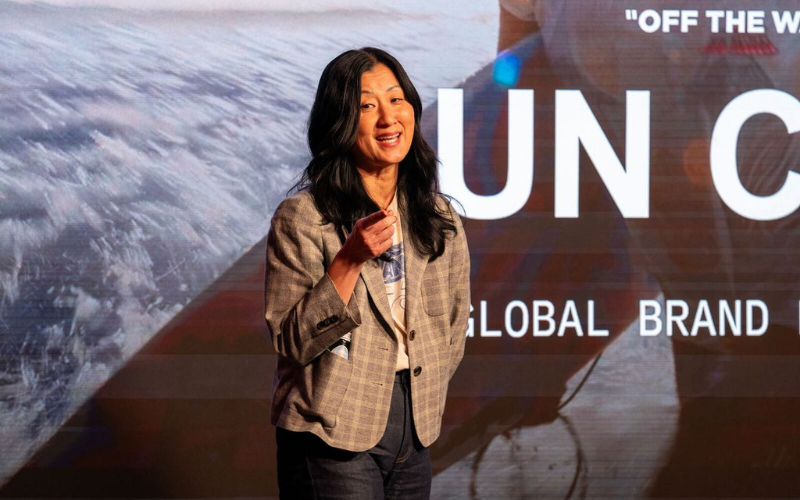
Vans Global Brand President Sun Choe at VF Corp.’s Investor Day in March. Photo courtesy of VF Corp.
Brand leaders are also stepping up with ambitious plans. The North Face President Caroline Brown outlined a strategy to double apparel and equipment sales while tripling footwear revenue, emphasizing the brand’s heritage of exploration. At Vans, President Sun Choe is focusing on revitalizing the women’s segment to drive growth, leveraging her deep connection to the brand’s cultural roots.
Despite these challenges, VF’s core brands like The North Face and Timberland continue to show resilience, while the company remains committed to achieving its long-term financial targets, including a 10% adjusted operating margin by 2028.
Tariffs and Economic Uncertainty
“Uncertainty” was the word we heard the most as SESO spoke to brands and retailers impacted by tariffs this year. From surfboards to outdoor gear, businesses grappled with rising costs, canceled orders, and paused production as new tariffs on imports from China and other countries disrupted supply chains. For some, like Vissla CEO Paul Naude, the proposed tariffs when first announced meant possible price hikes of up to 50% on products like wetsuits, while others, like Outdoor Element’s Mike Mojica, faced the grim reality of halting production altogether.

Photo by KAL’VAN for adobe.stock.com.
The ripple effects extended beyond pricing. Canadian brands like Malvados saw their U.S. wholesale business disrupted, while U.S. retailers navigated slumping consumer confidence. Even with a temporary reduction in tariffs, the uncertainty left many scrambling to adjust inventory and pricing strategies. As La Jolla Group CEO Daniel Neukomm put it in May, “This level of uncertainty simply cannot last. All businesses need to make short, medium, and long-term decisions consistently and simultaneously. The current conditions, despite temporary relief, do not allow for that dynamic yet.”
Retailer Resilience and Restructuring
Retailers in the surf and outdoor industries are demonstrating resilience and adaptability as they navigate a challenging landscape.
On the surf side, Hansen’s Surfboards diversified its brand mix, embracing independent labels like Outerknown and Florence to adapt to shifts in the industry. Tillys, a key surf retailer, appointed Nate Smith as CEO to lead its turnaround efforts after years of declining revenue — and the company recently reached its first positive quarterly comparable net sales since late 2021.
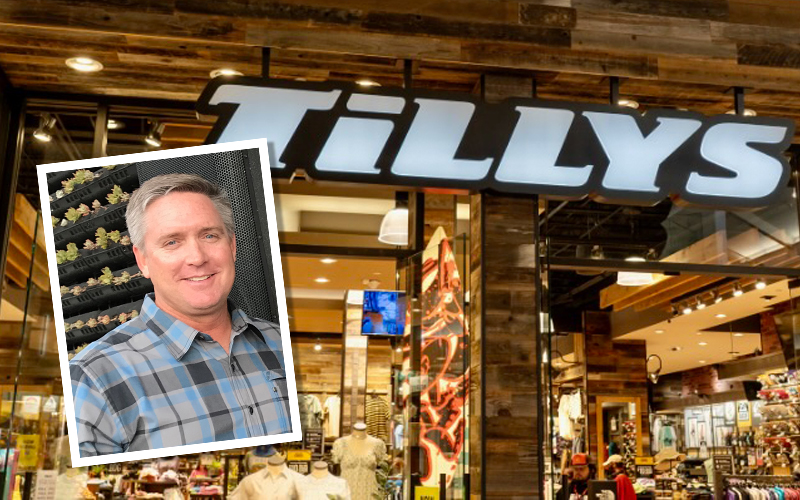
Tillys photo by stock.adobe.com. Nate Smith file photo by SESO.
On the outdoor side, Orvis, citing tariffs, will sharpen its focus on fly fishing and wingshooting and close 36 locations by 2026 to streamline operations. Christy Sports went back to basics, cleaning up inventory and focusing on inclusivity to attract new participants to mountain sports. Backcountry expanded its reach with the acquisition of value retailer Level Nine Sports, aiming to serve cost-conscious outdoor enthusiasts. Mountain Equipment Company (MEC) returned to Canadian ownership under a new investor group, and its plans to produce private-label products domestically and focus on regional needs are showing results.
“We just doubled down on what our members expected from us and how we differentiate ourselves,” said MEC Chief Merchandising Officer Chris Speyer, reflecting the broader industry trend of focusing on core strengths and customer needs to weather economic and market challenges.
Executive Insights and Exclusive Interviews
This year, the surf and outdoor industries have been shaped by the insights and strategies of their top executives, many of whom shared their perspectives in exclusive interviews with SESO‘s Executive Edition. These in-depth conversations provide a behind-the-scenes look at how leaders are navigating challenges, driving innovation and positioning their brands for the future.
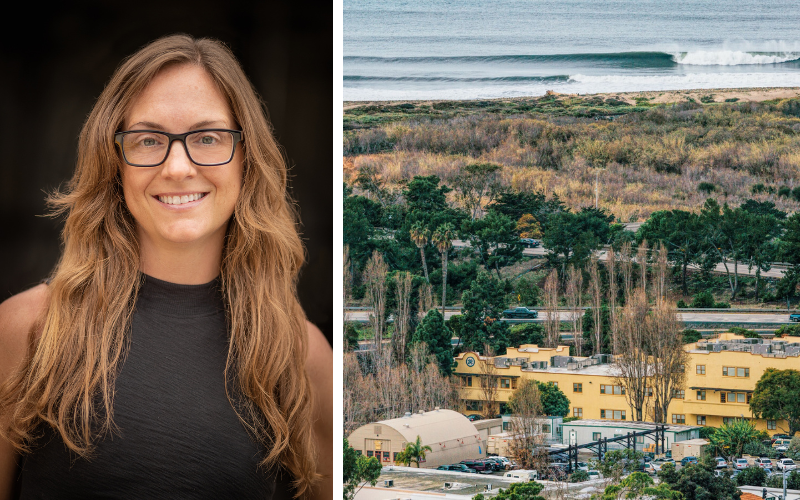
From left: Patagonia President Jenna Johnson; Patagonia’s headquarters campus in Ventura, Calif. Courtesy of Patagonia/Kyle Sparks.
Patagonia President Jenna Johnson discussed the brand’s commitment to product efficiency and sustainability, emphasizing the importance of aligning business practices with environmental values. Meanwhile, Burton CEO John Lacy highlighted the advantages of being a private company during turbulent times, allowing for more agile decision-making.
In the surf sector, Volcom co-founder Richard Woolcott shared his reasons for investing in Florence, a brand he believes embodies authenticity and innovation. Similarly, Malbon Golf’s Co-Chief Creative Officer and co-founder Erica Malbon delved into the brand’s rapid growth and international expansion, offering insights into scaling while maintaining a cool, niche appeal.
On the outdoor side, Black Diamond President Neil Fiske tackled topics like pricing strategies and tariff impacts, and Mountain Hardwear’s Troy Sicotte shared how the company’s rebrand was paying off. Db CMO Jonathan Weaver outlined how recent investments are set to supercharge the brand’s growth.
For those looking to stay ahead in the surf and outdoor markets, SESO’s Executive Edition is your go-to resource for exclusive interviews, deep dives, and actionable insights. Subscribe today.
Stance Sale and Licensing Deals
This year saw significant shifts in the licensing landscape, and one of the most talked-about moves was the acquisition of Stance by Marquee Brands. The sock and apparel company, known for its creative designs and celebrity collaborations, will transition to a licensing model under its new ownership. “Stance is exactly the type of high-equity, culturally resonant brand that aligns with Marquee’s acquisition strategy,” Marquee Brands CEO Heath Golden told SESO.
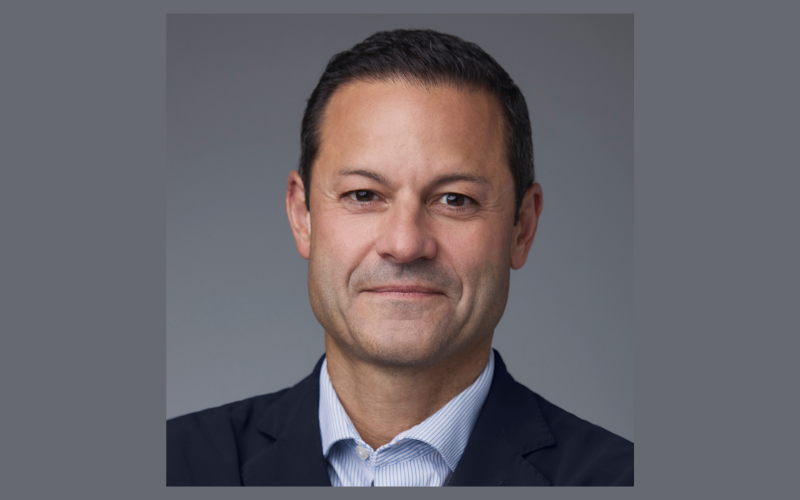
Marquee Brands CEO Heath Golden. Photo courtesy of Marquee Brands.
Roxy also announced the launch of Roxy Dolls, a new product line that debuted at Target in June. This licensing deal brings the surf-inspired brand into the toy aisle. And Dickies became the latest brand to transition to a licensing model after Bluestar Alliance acquired the brand from former owner VF Corp.
Surf Expo, Outdoor Retailer and Building Community
Industry gatherings like Surf Expo and Outdoor Retailer showcased the power of community and collaboration in the surf and outdoor markets. From insightful panels to vibrant networking events, both shows provided a platform for brands, retailers and thought leaders to connect and share ideas.
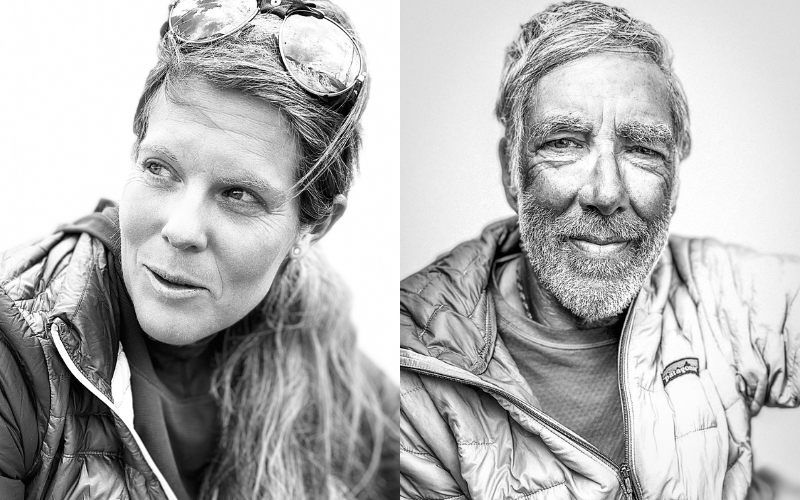
Industry veterans Sunny Stroeer and Paul Gagner take the helm of Outdoor Retailer’s leadership village. Photo courtesy of Outdoor Retailer.
At Outdoor Retailer in June, discussions centered on market trends, consumer spending shifts, and top-selling products, with Circana offering valuable data to help businesses adapt and industry experts delving into issues at Industry Day. Next August, OR will move to Minnesota, signaling a fresh chapter under new leadership. Meanwhile, Surf Expo brought together surf and active lifestyle brands in January and September, with executives weighing in on market conditions, tariffs, and strategies for growth. The energy extended beyond the show floor, with parties and retailer meetings fostering deeper connections. See you this January in Orlando!
In addition to these in-person events, SESO celebrated community online with initiatives like the inaugural “Young Leaders to Watch” feature. We plan to do this annually, so start thinking of your nominees for 2026.
Rip Curl Restructure and New Leadership
Rip Curl underwent significant restructuring this year as part of a broader strategy unveiled by parent company KMD Brands, which also includes Oboz and Kathmandu. The changes aim to position the brand for long-term growth while addressing current market challenges.
Photo by OceanProd for stock.adobe.com.
KMD has also appointed several new key executives:
- Brent Scrimshaw, a former Nike executive, took the helm as Group CEO, earlier this year.
- Ashley Reade, also a Nike veteran, now leads Rip Curl as CEO.
- Megan Welch leads Kathmandu, and Amy Beck continues as president of Oboz Footwear.
- Supporting them is a revamped C-suite, including new Group CFO Carla Webb-Sear and Chief Commercial Officer Lachlan Farran.
Nike’s Turnaround and Dick’s Foot Locker Acquisition
Nike’s ongoing turnaround strategy has been marked by leadership changes, layoffs and a renewed focus on wholesale partnerships. The company recently announced a leadership shake-up, eliminating longtime executive Heidi O’Neill’s role, and further layoffs aimed at streamlining operations.
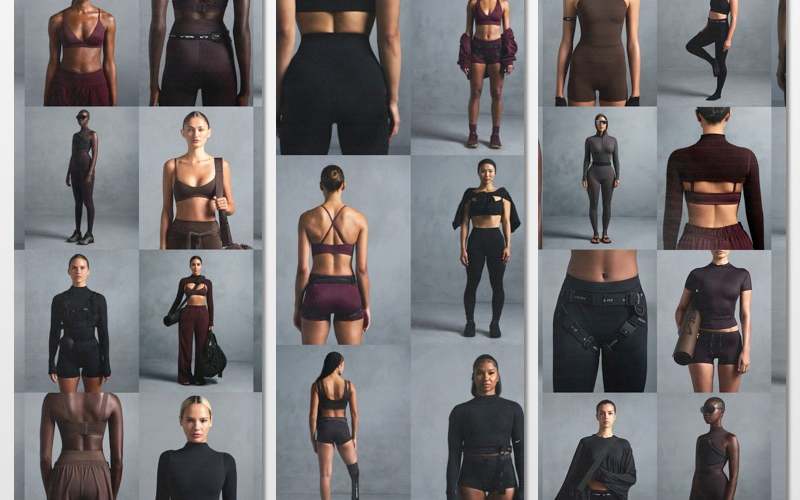
The debut NikeSKIMS collection. Photos courtesy of Nike.
One of the most notable developments was Nike’s collaboration with Kim Kardashian’s brand Skims to launch the NikeSkims fitness brand, blending performance and style to appeal to a broader audience.
Nike’s renewed focus on wholesale has also had ripple effects across the industry, influencing the merger of Dick’s Sporting Goods and Foot Locker. According to Dick’s chairman, the merger was driven in part by Nike’s strategic shift, as the brand seeks to strengthen relationships with key retail partners. The combined entity aims to leverage Nike’s wholesale pivot to create a more robust and integrated retail experience.
Kate Robertson can be reached at kate@shop-eat-surf-outdoor.com.


