
What makes an agency for outdoor and active lifestyle brands different from a general PR agency?
Rob Reedy, founder, ECHOS Communications: An agency built for active lifestyle brands doesn’t just pitch your product. It thinks like a brand, gets the right people inside your brand’s world, then helps tell the story that comes out of it. That’s how ECHOS Communications has worked since 2009.
Before I started the agency, I spent seven years as director of marketing at Chrome Industries. That job taught me everything about brand: what gives a brand its value, how a community forms around it, and how culture can’t be bought, only earned. When I started ECHOS Communications in San Francisco, I brought that brand-side thinking with me. We don’t come at this as outsiders pitching stories. We come at it the way a marketing director would, starting with the brand, the business goals, and the people who care about it.
That’s what makes us different. Plenty of agencies say they love the outdoors and our team does too. We ride, run, hike, and ski. But living it is just the starting point. What matters is turning that passion into strategy, knowing which moments build a brand, and which ones just make noise. Riders, runners and skiers know when a brand is just visiting, and we’ve sat on the brand side long enough to know how to earn their trust for real. Our values are simple: authenticity, tenacity, teamwork, integrity, and accountability.
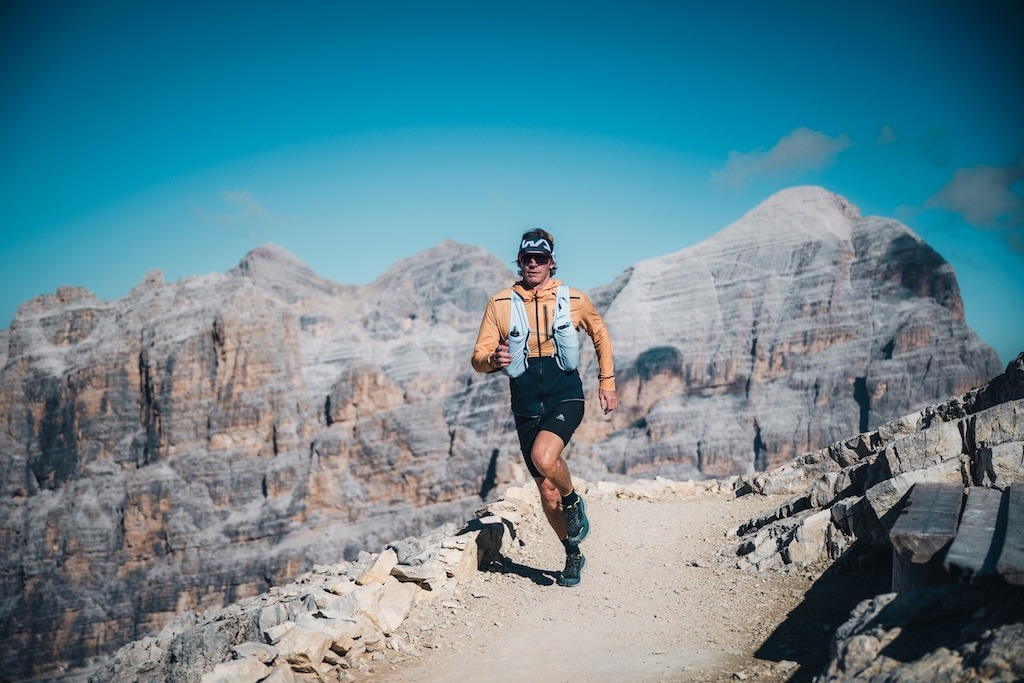
Our work with adidas Sport Eyewear is the clearest example. A general agency sends a press kit. We took top journalists, creators, and athletes to the terrain the product was built for. In the Dolomites, that was a four-day hut-to-hut run along ridgelines and through valleys, in Chamonix, a mind-blowing two-day adventure run, and in Innsbruck, journalists from Spain, the U.S., Italy, France, and Germany went from an urban training hub up to a mountain hut for the night. We’ve also built run programs around major marathons in the U.S. and Europe. Nobody gets that kind of trust from a press kit.

That’s the heart of how ECHOS Communications works. For years now, we’ve been the global lead communications agency for adidas Sport Eyewear, working in Italy, Germany, Spain, UK and France. We set one playbook for the story, press kits, reporting and the big moments, and each market adds its own local voice. So, a runner in Germany and a runner in Spain hear the same story, in their own language.
Digital is critical, but trust still starts in person. When people feel a brand in real life, every article, video and post that follows carries more weight.
It also takes range. The person who rides a gravel bike also snowboards, runs a marathon and cares about the tech in her gear. She doesn’t live in one box, so our work spans outdoor, cycling, snow, running, moto and consumer tech, across North America and Europe.
Honestly, this is the part of the job I love most.
How do brands choose a PR and marketing agency for an active outdoor and lifestyle brand?
I always tell founders and brand leaders to start with the conversation an agency wants to have. Passion matters, but it isn’t a strategy. If the first meeting is all about where the office is or what the team does on weekends, that tells you something. The better question is how they think about your customer and where that customer is headed.
Your customer doesn’t stay in one lane. The same person that runs marathons, rides a gravel bike, hikes, snowboards in winter, follows powersport culture and geeks out on the tech in their gear. A good agency should move with her. That range is what lets you borrow ideas from one world and make them land in another.
Then look at how the agency plans. Too many brands still buy PR, creators, affiliates and events as separate line items from separate teams, and the story falls apart between them. The work gets stronger when it all starts in the same brief, on day one, with one team accountable for the result.
You should also never have to wonder what your agency is doing. Fast replies, honest feedback and results you can see whenever you want aren’t extras. They’re the baseline for trust, and they’re how a partnership gets better over time.
Finally, ask where they think media and discovery are going. If they don’t have a real answer about AI search, they’re planning for last year.
That’s how we built ECHOS Communications. When ARTILECT named us its global PR agency of record, founder and CEO Trent Bush said, “We didn’t want just another outdoor-only PR agency.” I took that as the best compliment we could get. Since 2009, we’ve worked with brands across outdoor, cycling, snow, moto, consumer tech, CPG and craft beer, from early founder-led companies to global multi-brand corporations, in North America and across Europe.
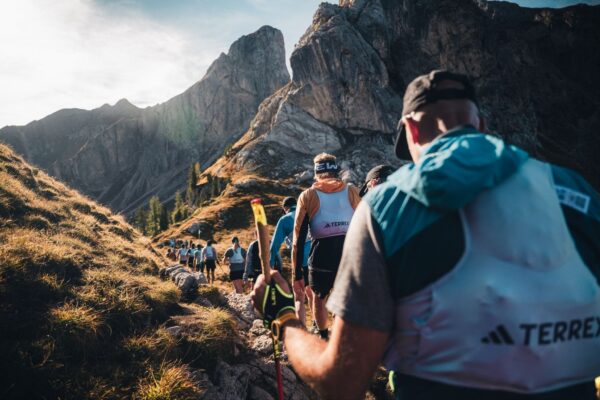
ECHOS adidas global media event, Dolomites
How do people find outdoor and active lifestyle products now, and what does that mean for your business in PR?
People now find gear in a lot of places at once, so a brand’s story has to hold up everywhere they look. A rider might see a bike in a creator’s video, read a review, ask ChatGPT for a comparison, then buy through a gift guide link. All of that can happen in one week.
We see it every day in our client work. A single YouTube review we set up years ago can still drive traffic and sales today. A strong editorial feature gets picked up by AI answers. A creator’s honest take often does more than an ad ever could.
That’s why at ECHOS, PR, creators and affiliate are never separate line items. We plan them together from day one, so the story is the same whether someone reads a review, scrolls TikTok or clicks to buy.
How do you measure PR ROI, and what should an agency report?
We measure PR by whether it moves the business, not by how many clips we can count. A good report shows what ran, what it said, who saw it, and what happened next.
When I get asked about ROI, I start with this: a big number is not the same as a good result. If you judge PR by volume, you’re looking at the wrong dashboard.
It starts before we pitch a single story. At ECHOS Communications, we sit down with each client, agree on what success means for their business, and set the KPIs and a baseline together. We also agree on what counts. A story an editor chose to write is earned coverage. A paid wire release, a copy of a story that ran somewhere else, a duplicate or a dead link is not. We keep those separate or leave them out, and we say so.
Then we care about quality over volume. Which outlets ran the story? Was the brand the main subject or a passing mention? Did the key messages make it into the piece? And how much of the conversation does the brand own against its competitors? Those matter more to us than raw impressions. AVE, the old habit of putting a dollar value on a clip, is outdated and doesn’t belong in a report.
AI search is the newest layer. We run a set of real buying questions through the major AI tools and see which brands show up, in what order, and which sources they lean on. We’re honest about it being directional, not a final score.
On the commerce side, affiliate links let us trace a review or gift guide to traffic and sales. That’s the closest thing PR has to a receipt. But it doesn’t tell the whole story. A good review keeps ranking, keeps getting cited and keeps sending people to a product long after it publishes, and a last-click report won’t show that.
Clients can see their coverage in a shared report and dashboard, and we review it together on regular calls. I want reporting to be a conversation, not a recap: what worked, which outlets and creators performed, and what we change next. And because the editor decides what runs, we treat targets as targets, never promises.
How can brands get recommended by ChatGPT, Gemini and Google AI Overviews?
Honestly, the same way you earn a recommendation from a friend: real people with credibility have to be talking about you. AI tools don’t make up their answers. They pull from the journalism, reviews, creators and forums they trust. If you’re covered well in those places, and described the way you want to be, you show up. That practice has a name now, GEO, but at its core it’s good earned media.
I get asked about this in almost every new business meeting. There are a lot of tools out there promising to “hack” AI answers, and I’d be careful. No one can promise you a spot in any AI options. The answers even change from one day to the next. What you can do is build the kind of credibility AI keeps coming back to.
At ECHOS, we start every brand partnership with an AI visibility gap analysis. We look at which publications, creators and sites are shaping AI answers in that category, where the brand shows up, where it’s missing, and how it’s being described. Smaller publications and niche blogs often matter more than people expect. Then we aim our PR, creator and affiliate work right at those sources.
From there, we track AI share of voice for our partners on an ongoing basis. We measure the brand against its competitive set over time, so we can see where the gaps are, what competitors are doing, and where there’s still room to grow. Because answers shift so often, that long view tells you much more than a single screenshot ever could.
It reminds me a lot of 2010, when SEO rewrote the rules of being found. The stakes are higher now, and the brands that start early will be the ones AI recommends.
How should brands work with creators in this modern day?
Treat creators like independent media companies, not ad space. Their audience trusts them because they’re honest, and that trust is the whole value.
We work on a simple idea: guardrails, not scripts. Our briefs give creators the core story, a few key messages, the facts that have to be right and a short no-go list, like no competing brands and no claims the product can’t back up. Then the creator owns the hook, the tone and the story. We review for accuracy and clear disclosure, not for personality.
It starts with picking the right people. We look past follower counts for a true fit: an audience already shopping for the product, a track record of real reviews and in-use content, and real authority in the category. We also check whether their videos will show up in search and in AI answers. Niche authority beats a big number every time.
Then we make it easy to do great work. Creators get the product early, time to test it properly, a named person to call and fast, clear feedback. We also invite honesty. On a trail running, cycling or outdoor adventure, we ask creators to test in real time and tell us if something doesn’t perform. A brand that can hear that gets better content and a better product.
This shows up across categories. Our snow and backcountry trips are built so editors and creators test gear in real conditions, side by side. At bike shows, we host media showrooms where journalists and YouTubers can handle new products.
Finally, we think long-term. We tie creator content into PR and affiliate, so a strong review keeps earning. A video keeps ranking in search and, over time, AI tools start citing it. That’s the kind of human proof people keep coming back to.
How does affiliate marketing work with PR?
Affiliate is how the attention PR and creators earn turns into sales you can see. It works best when it grows out of earned media, not when it chases last-click coupon sites.
We were one of the first PR agencies to build affiliate right into our programs. One of the moments I’m proudest of is AvantLink naming ECHOS its Affiliate Agency of the Year. It’s a big deal to us because it came from the affiliate side of the industry, recognizing that PR can drive real, measurable revenue.
The way we see it, the funnel doesn’t start at the click. It starts when someone reads a review, sees a creator ride the bike or finds the brand in a gift guide. Affiliate links let us follow that journey all the way to the sale, so a story isn’t just coverage. It’s a tracked path to revenue.
We build programs around the full funnel. At the top, earned features and creator content build awareness and trust. In the middle, reviews, comparisons and gift guides help people decide. At the bottom, affiliate partners close the sale. When all three are planned together, each one makes the others stronger.
We’re also honest about measurement. Some brands measure much better than others. Brands that only look at last-click data end up rewarding coupon sites and undervaluing the editors and creators who did the real work. The strongest programs look at where demand first came from, rethink how partners are paid, often with a mix of flat fees and performance bonuses, and give credit to the content that started the journey.
And the value lasts. A great review or gift guide can keep earning for years, long after a last-click dashboard has stopped counting it.
What does an integrated PR and marketing agency actually do?
An integrated PR and marketing agency builds a brand’s authority through earned media, spreads it across every place people discover products, and ties it to sales. At ECHOS, we run all of that as one system with one team, so PR, creators, social, affiliate, activations and AI visibility work from the same plan.
We call it The ECHOS System, and it starts with how people really shop. Nobody follows a straight line anymore. Someone reads a review, watches a creator test the product on YouTube, asks ChatGPT for the best option, then clicks a link. They can enter anywhere, so the brand has to show up everywhere.
Earned media is the source. A trusted feature gives a brand credibility, and it’s also what AI platforms read and cite. From there we spread that authority. Creators prove the product works in real use. Social extends discovery. AI visibility work makes sure the brand appears when someone asks ChatGPT, Perplexity or Gemini what to buy. Affiliate turns that trust into trackable sales, and the sales data shapes the next story. That’s the loop.
Activations are the in-person part. Through REVERB, our analog event and experience wing of the agency, we put journalists and tastemakers on the trail, the mountain or the track with the product, from hut-to-hut trail running in the Italian Dolomites to a track day in Palm Springs. One trip becomes coverage, creator content and social.
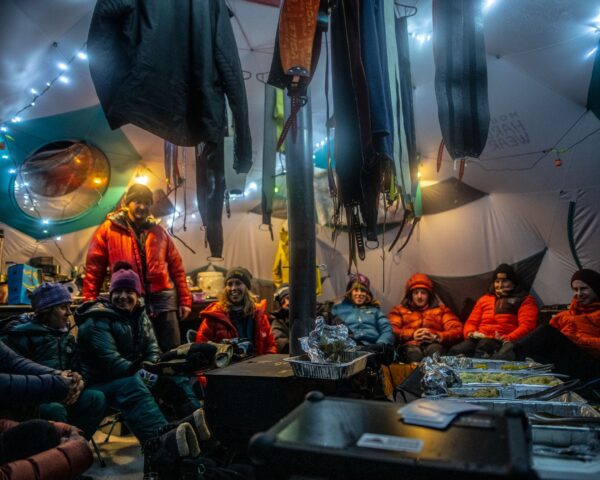
ECHOS backcountry media event with Mountain Hardware
A partnership starts with a communications audit and a roadmap for strategy, scope and investment. The first 90 days build the foundation, put every channel in market, then look hard at what’s working. You get regular calls and a monthly report covering placements, media and AI share of voice, sentiment, message pull-through and affiliate revenue.
We started in 2009 as an earned media shop and added creators, experiences, affiliate and AI visibility as discovery changed. After 17 years, do we still have fire in the belly? Absolutely. We have an amazing team, and we love this work.
We won’t tell you what you want to hear. We’ll tell you what’s working, what isn’t, and what we think you should do about it. If you want a comfortable relationship, there are plenty of options in this space. If you want a strategy that makes your brand sharper and your business stronger across every touchpoint, that’s the conversation we want to have.
About ECHOS
ECHOS Communications is an award-winning, integrated PR and marketing agency for outdoor and active lifestyle brands, founded in 2009 by Rob Reedy and based in San Francisco. ECHOS helps brands in outdoor, cycling, snow, moto and auto, and consumer tech earn trust through earned media, creator and influencer programs, affiliate partnerships, in-person activations and AI search visibility. The agency works across North America and Europe.


